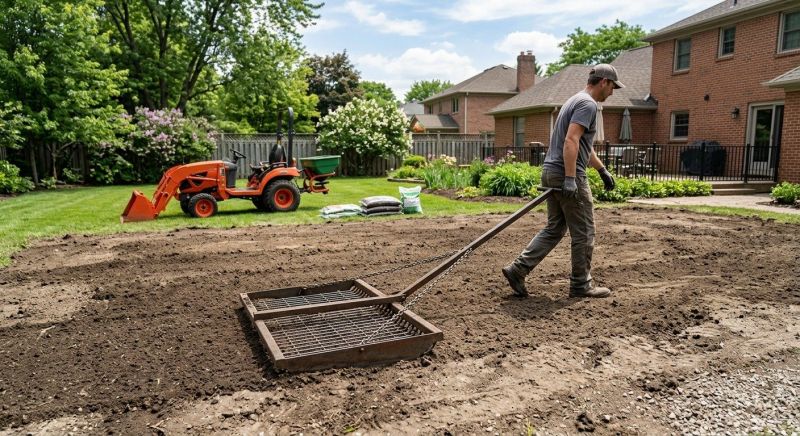
Land Leveling in Houston, TX
Land leveling services involve the process of smoothing and adjusting the elevation of a property’s terrain to create an even, stable surface. This service is commonly requested for projects such as preparing land for construction, establishing a level yard, installing irrigation systems, or improving drainage. Property owners typically want to understand how land grading can prevent water pooling, reduce soil erosion, and enhance the overall usability of their outdoor space before proceeding with any landscaping or development plans.
Before requesting land leveling, property owners should consider the current condition of the land, including existing slopes, soil type, and drainage patterns. It’s also helpful to clarify the desired final grade and any specific features needed for the project, such as retaining walls or drainage solutions. Understanding the scope of work and potential impact on existing structures or landscaping can ensure the project aligns with long-term property goals.
Many property owners in Houston, TX look into Land Leveling for repairs, replacements, upgrades, and appearance-related improvements.
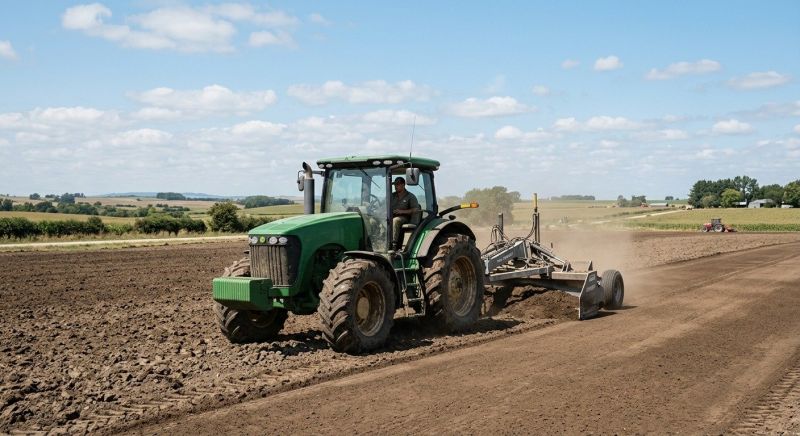
Residential Land Preparation
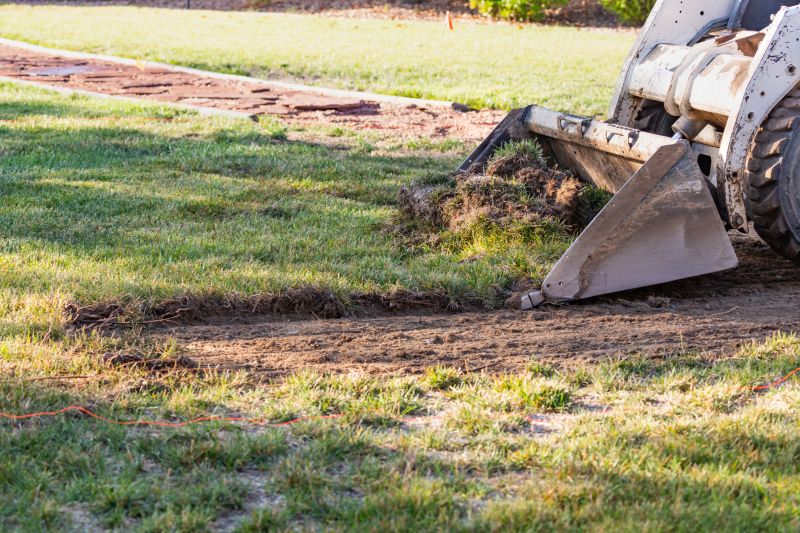
Leveling land ensures a stable foundation for lawns, gardens, and outdoor structures in houston neighborhoods.
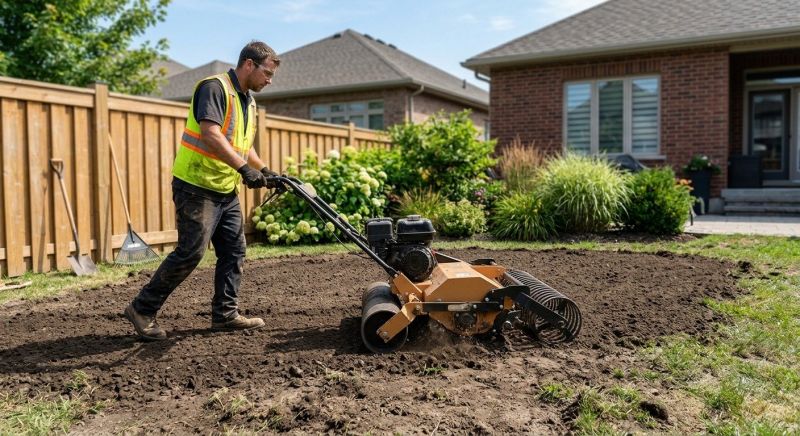
Agricultural And Commercial Projects
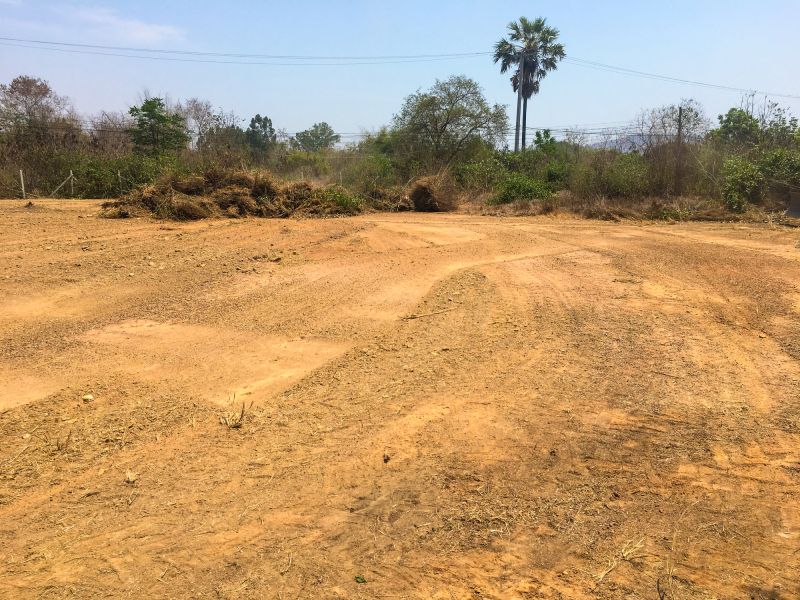
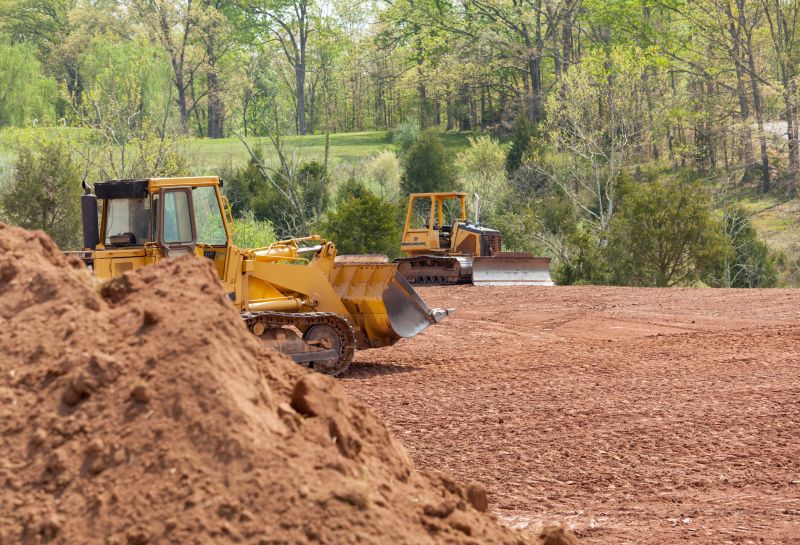
Proper land grading helps improve drainage and soil stability for farms, parking lots, and new developments around houston.
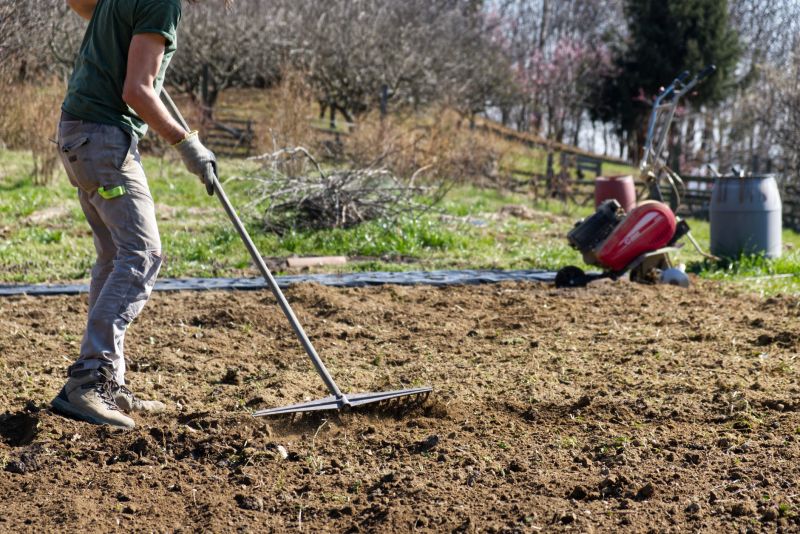
Property Drainage Solutions
Land leveling can prevent water pooling and erosion, protecting properties during heavy rainfalls in the houston area.
Land Leveling in Houston, TX

Land leveling services involve the process of smoothing and adjusting the elevation of a property’s terrain to create an even, stable surface. This service is commonly requested for projects such as preparing land for construction, establishing a level yard, installing irrigation systems, or improving drainage. Property owners typically want to understand how land grading can prevent water pooling, reduce soil erosion, and enhance the overall usability of their outdoor space before proceeding with any landscaping or development plans.
Before requesting land leveling, property owners should consider the current condition of the land, including existing slopes, soil type, and drainage patterns. It’s also helpful to clarify the desired final grade and any specific features needed for the project, such as retaining walls or drainage solutions. Understanding the scope of work and potential impact on existing structures or landscaping can ensure the project aligns with long-term property goals.
Many property owners in Houston, TX look into Land Leveling for repairs, replacements, upgrades, and appearance-related improvements.
Common Land Leveling Jobs
Land leveling - ensures a smooth, even surface for lawns, gardens, and construction projects.
Yard grading - improves drainage and prevents water pooling around foundations.
Site preparation - creates a stable base for building foundations and landscaping.
Agricultural land leveling - enhances irrigation efficiency and crop production.
Driveway and pathway leveling - provides a stable, even surface for vehicles and pedestrians.
Erosion control grading - reduces soil loss and maintains landscape stability.
Land Leveling Questions
What is land leveling? Land leveling is the process of smoothing and adjusting the terrain to create an even surface for construction, landscaping, or drainage purposes.
When is land leveling needed? Land leveling is often required before installing lawns, building foundations, or improving drainage on uneven or sloped properties.
How does land leveling benefit property owners? Proper land leveling helps prevent water pooling, reduces erosion, and provides a stable surface for future projects.
What types of projects commonly require land leveling? It is commonly used for preparing land for agriculture, construction, landscaping, and drainage improvement projects.
Request Land Leveling in Houston, TX
Use the quote form on this page to share the basics of your project and request more information for the type of work you need.