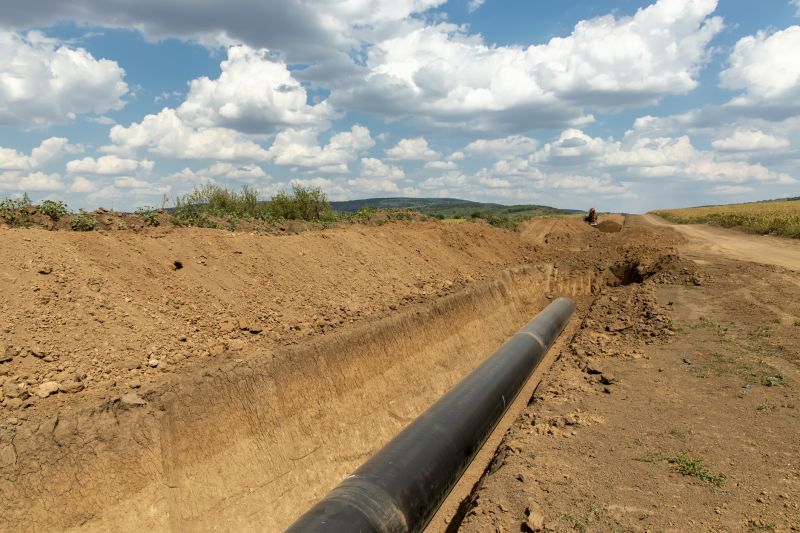
Gas Line Excavation in Atlanta, GA
Gas line excavation services involve the careful process of digging and installing underground pipelines that supply natural gas to residential properties. This service covers a variety of projects, including installing new gas lines for appliances, replacing aging or damaged pipelines, and extending gas service to additional areas of a property. Homeowners typically want to understand the scope of excavation required, the safety measures involved, and any permits or regulations that may apply before beginning work.
Property owners should consider factors such as the location of existing utility lines, the depth of the excavation, and the potential impact on landscaping or structures. Clear communication about the project’s requirements and adherence to local codes can help ensure a smooth process. Understanding these details can assist homeowners in planning effectively and ensuring the safe and efficient installation or repair of gas lines on their property.
Many property owners in Atlanta, GA look into Gas Line Excavation for repairs, replacements, upgrades, and appearance-related improvements.
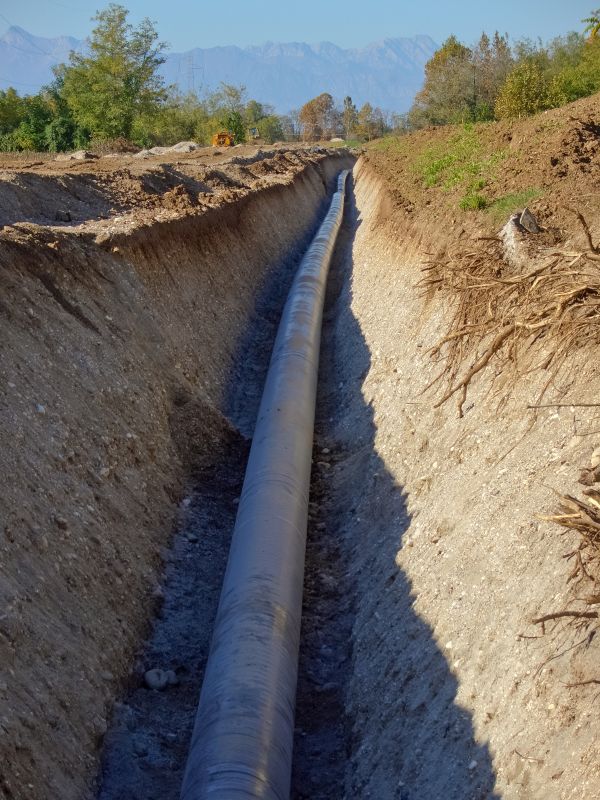
Gas Line Installation Support
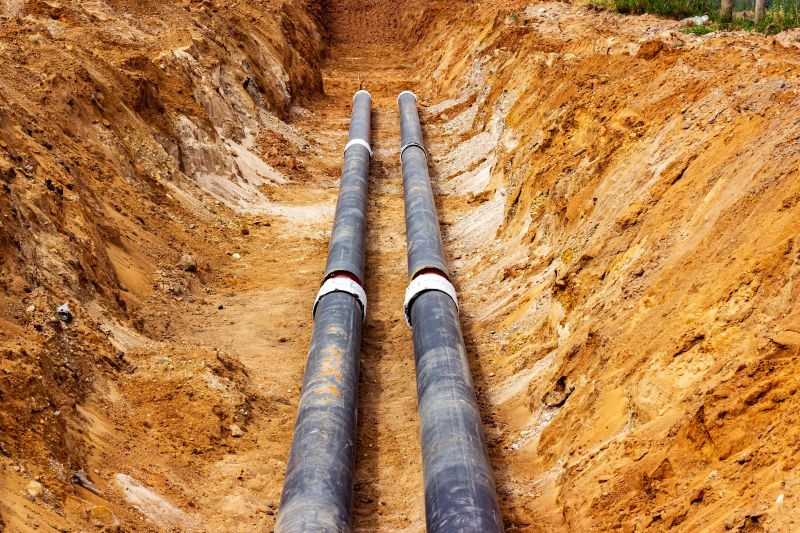
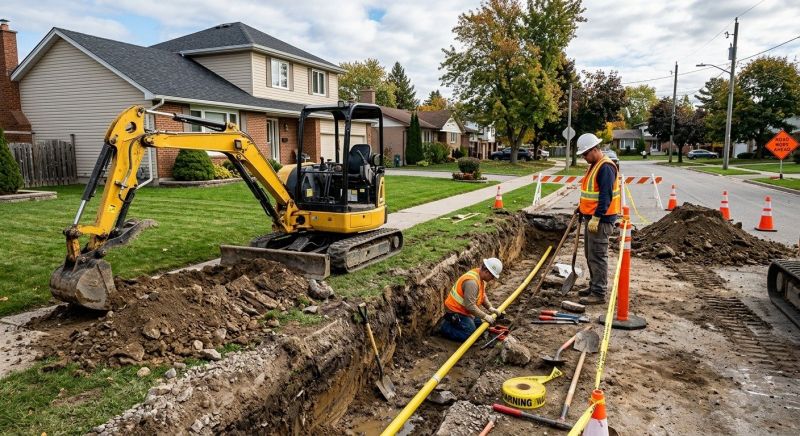
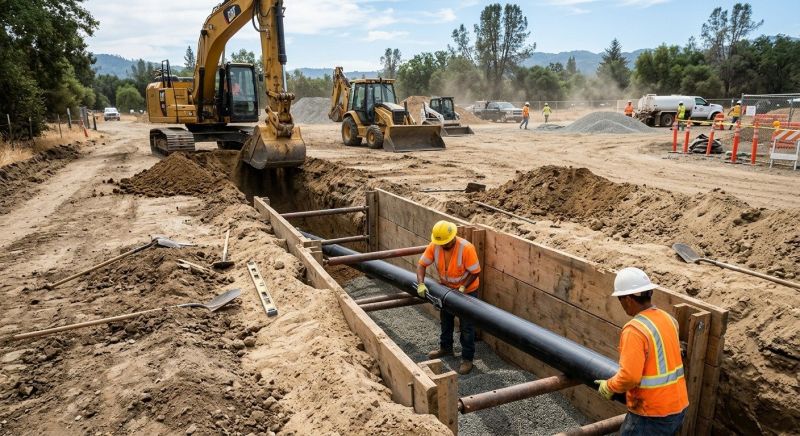
Proper excavation ensures safe and efficient gas line installation for residential and commercial properties in atlanta.
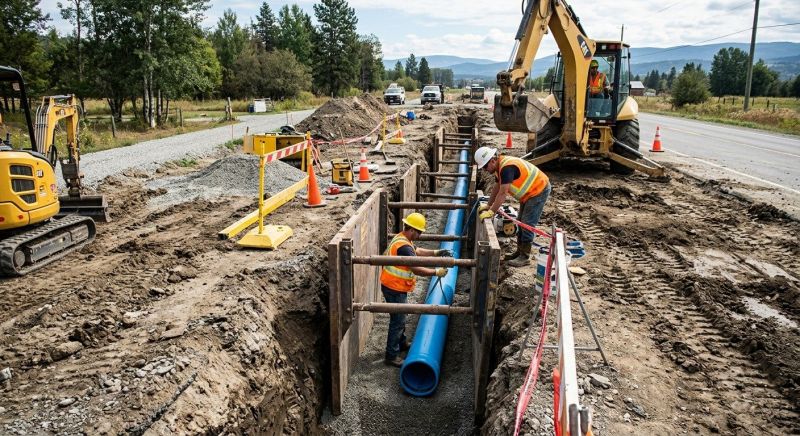
Underground Gas Line Repair
Excavation services help access and repair underground gas lines to maintain safety and compliance.
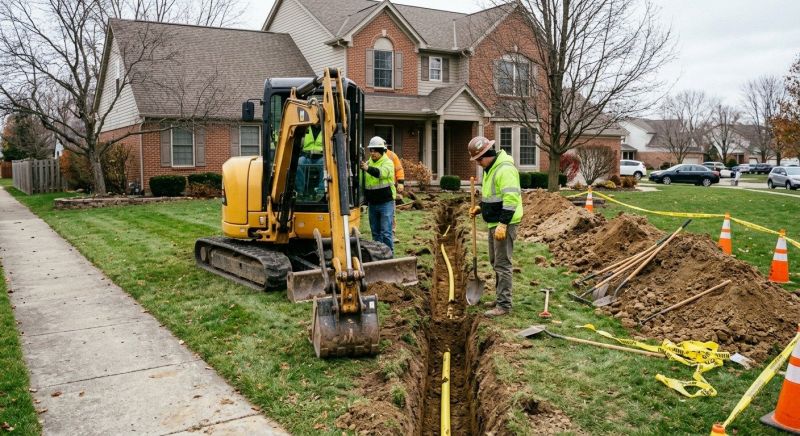
Pre-Construction Gas Line Clearing
Clearing and trenching for gas lines prepare sites for new infrastructure and property development in the atlanta area.
Gas Line Excavation in Atlanta, GA

Gas line excavation services involve the careful process of digging and installing underground pipelines that supply natural gas to residential properties. This service covers a variety of projects, including installing new gas lines for appliances, replacing aging or damaged pipelines, and extending gas service to additional areas of a property. Homeowners typically want to understand the scope of excavation required, the safety measures involved, and any permits or regulations that may apply before beginning work.
Property owners should consider factors such as the location of existing utility lines, the depth of the excavation, and the potential impact on landscaping or structures. Clear communication about the project’s requirements and adherence to local codes can help ensure a smooth process. Understanding these details can assist homeowners in planning effectively and ensuring the safe and efficient installation or repair of gas lines on their property.
Many property owners in Atlanta, GA look into Gas Line Excavation for repairs, replacements, upgrades, and appearance-related improvements.
Common Gas Line Excavation Jobs
Gas line installation - safe excavation for new gas lines to ensure proper connection and function.
Gas line repair - excavating to access and fix leaks or damaged sections of existing gas lines.
Gas line replacement - removing outdated or unsafe gas pipes and installing updated, code-compliant systems.
Utility line locating - pinpointing underground gas lines to prevent damage during other construction projects.
Emergency gas line access - rapid excavation to address urgent gas leaks or safety concerns.
Property line assessments - excavating to verify gas line placement and avoid potential future issues.
Gas Line Excavation Questions
What is gas line excavation? Gas line excavation involves digging to access or install underground gas pipelines safely and accurately.
When is gas line excavation needed? This service is required for installing new gas lines, repairing leaks, or replacing outdated pipelines.
Are there permits required for gas line excavation? Yes, permits are typically needed to ensure the work complies with local safety and building codes.
What should property owners know before excavation? It’s important to locate existing underground utilities and plan the excavation accordingly to prevent damage or accidents.
Request Gas Line Excavation in Atlanta, GA
Use the quote form on this page to share the basics of your project and request more information for the type of work you need.